


6 SUPPLEMENTS THAT ACTUALLY WORK!
- Tuesday Platt
- Oct 22, 2020
- 4 min read
Fed up of marketing claims and influencers trying to sell you x, y and z without knowing if they ACTUALLY work?! Yeah, me too!
What they don't tell you is that you should only be taking supplements that are based on your health status and current goals. That means that every person will benefit differently from each supplement so what your mum takes is not necessarily what you should take. They also don't tell you that if you have a varied and balanced diet, then you probably don't need to take any supplements at all!

Which supplements are actually backed up by science then?
1) Curcumin

What is it?
- The primary bioactive substance in turmeric
- Often used to add flavour to curry
- It is a polyphenol with anti-inflammatory properties
What are the benefits?
- Reduces markers of inflammation
- Increases levels of endogenous antioxidants in the body
- Improves symptoms of depression and anxiety (moderately)
- Improves pain and function in arthritic patients
- Reduces LDL (low density lipoprotein) cholesterol (known as our "bad" cholesterol), blood glucose and blood pressure (more research is needed here)
How much to take?
- Curcumin has poor bioavailability so it must be paired with black pepper in order for the body to absorb it during digestion.
- It is recommended to supplement 500mg of curcumin with 20mg of piperine (black pepper extract), 3 x a day.
2) Fish Oil

What is it?
- Fish oil is a source of omega-3 fatty acids, commonly referring to eicosapentaenoic acid (EPA) and docosahexaenoic acid (DHA)
- Usually found in oily fish, animal products and phytoplankton
What are the benefits?
- Reduces triglyceride levels (a class of saturated fat)
- Reduces bloop pressure in hypertensives (people with high blood pressure)
- Improves mood in people with major depression (EPA mainly, suggesting a reduction in neuroinflammation)
- Reduces symptoms of systemic lupus erythematosus (a chronic disease that causes inflammation in connective tissues)
How much to take?
- Doses vary depending on the goal of supplementation
- Total eicosapentaenoic acid (EPA) and docosahexaenoic acid (DHA) consumption should come from a mix of real food and supplements
- Aim to get 500mg of EPA and DHA combined each day, this works out as around the same as a 140g portion of oily fish per week (Heart UK)
- Don’t choose fish liver oils, they contain less Omega 3 than fish oils and too much vitamin A (Heart UK)
- Go for a supplement with lower levels of vitamin A – less than 1mg per day (which might be written as 1000ug or 1000mcg) (Heart UK)
3) Vitamin D

Most people are not deficient in vitamin D, however they do not have the optimal level of vitamin D either. Therefore, supplementation is encouraged if optimal levels are not present.
What is it?
- Fat-soluble essential vitamin that our skin synthesises when exposed to the sun
- It is one of the 24 micronutrients that are crucial for human survival
- The sun is the major natural source, but it is also found in fish and eggs
- The body produces vitamin D from cholesterol, that is if there is enough UV light from the sun
What are the benefits?
- Increased cognition
- Increased immune health
- Increased bone health
- Improved well-being
- Reduce the risk of cancer, heart disease and multiple sclerosis
- People deficient in vitamin D may experience increased testosterone levels with supplementation
How much to take?
- Adults need 10 micrograms (μg) of vitamin D a day (NHS)
- 10 micrograms of vitamin D is equal to 400 IU (sometimes vitamin D is expressed as International Units)(NHS)
4) Beta-Alanine

What is it?
- Beta Alanine the modified version of the amino acid alanine and it is the building block of carnosine (when beta alanine is ingested, it is converted into carnosine)
- Carnosine helps to buffer acid in our muscles, thus allowing improved physical performance in the 60-240 second range
- Carnosine is released in response to drops in our blood pH, thus offering protection from exercise-induced lactic acid
What are the benefits?
- When exercising for 60-240 seconds it can increase muscle endurance
- Slight reduction in fatigue
- Aids gains in lean muscle mass
How much to take?
- Daily dose : 2-5g
- Often it is taken pre-workout, however supplementation is not timing-dependent
5) Creatine
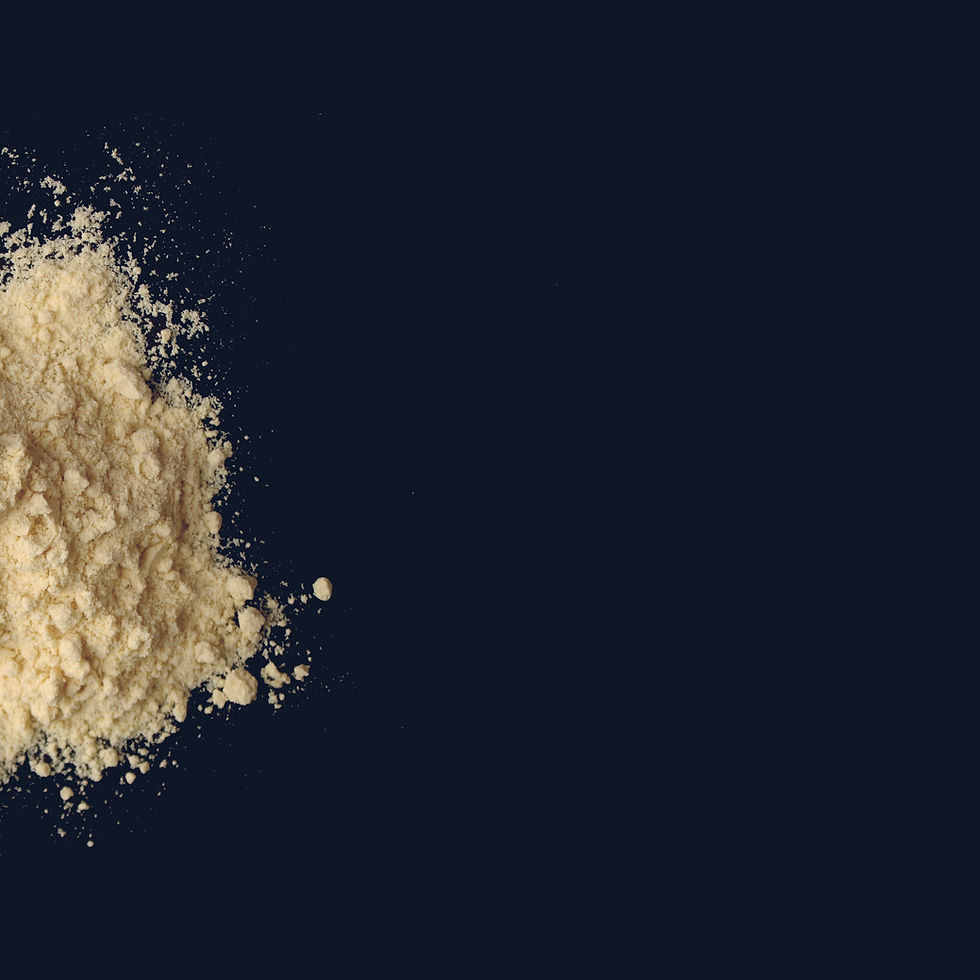
What is it?
- Produced in the body from amino acids
- Made in the liver, kidneys and pancreas
- It stores phosphate groups (Pi), which it donates to ADP to regenerate ATP, which is the primary energy carrier in our body.Therefore, ATP is required for physical activity
What are the benefits?
- Increased strength and power output during resistance exercise
- Modestly increases lean mass
- Small improvement in anaerobic running (sprinting)
How much to take?
- There are many different forms, however creatine monohydrate is the cheapest and most effective. Micronised creatine monohydrate dissolves in water so can be more practical
- Often creatine is supplemented through a loading protocol:
Take 0.3 grams per kilogram of bodyweight per day for 5–7 days, then follow with at least 0.03 g/kg/day either for three weeks (if cycling) or indefinitely (without additional loading phases).
5) Vitamin B12

What is it?
- Cyanocobalamin (Vitamin B12) is a water-soluble essential vitamin
What are the benefits?
- It is vital for several brain functions and should be supplemented by those who are deficient, such as older individuals or vegans
How much to take?
- Adults (aged 19 to 64) need about 1.5 micrograms a day of vitamin B12 (NHS)
6) Magnesium

Magnesium deficiencies are common in the western diet because grains are poor sources of magnesium. Good sources of magnesium, like nuts and leafy vegetables, are not eaten as often, thus deficiencies are common in developed countries.
What is it?
- An essential dietary mineral and the second most prevalent electrolyte in the human body
- A deficiency increases blood pressure, reduces glucose tolerance and causes neural excitation
What are the benefits?
- If supplemented to attenuate a deficiency, it reduces blood pressure and improves insulin sensitivity
- Protective effect against depression and ADHD
How much to take?
- 200-400mg daily
Thank you for taking the time to read this blog post, I hope you found it beneficial! If you have any questions then please don't hesitate to message me on Instagram (@the__healthy__blonde) or via e-mail (the_healthy_blonde@hotmail.com).
All research was taken from Examine.com unless stated otherwise in brackets. Always speak with your GP or health professional before you consider taking supplements!


Comments